Three extracurricular activities consistently prepare children for 2026’s tech-driven world while building real community connections: robotics clubs, digital storytelling workshops, and coding mentorship programs. Each combines hands-on technology skills with collaboration, creativity, and the kind of problem-solving employers and colleges actually look for.
Your child doesn’t need expensive equipment or prior experience to start. Most communities now offer accessible entry points, from library makerspaces to volunteer-led coding groups, meaning geography and budget no longer dictate who gets to explore these fields. …

How to Get Disney Discounts as a Canadian Family in 2026
Canadian families can save 25% or more on Disney theme park tickets and up to 25% on resort rooms right now, but only if you know which offers apply to you and have the right proof of residency ready when you book. Disney releases multiple discount programs throughout the year, each with specific eligibility windows, date restrictions, and documentation requirements. Miss the booking period or show up without proper ID, and you’ll pay full price.
The good news? Claiming these savings is straightforward once you understand the system. Most Canadian resident offers require proof like a driver’s license or utility bill at …
Teaching Kids About Vaping Risks Through Code: A Parent’s New Approach
Coding education can become a powerful gateway for conversations about vaping safety, especially when you’re working with tech-curious kids who respond better to hands-on projects than traditional health lectures. By embedding substance awareness lessons into interactive coding activities, data visualization challenges, and app development exercises, parents and educators can address serious health topics like THCp vaping risks in a context that feels natural and engaging rather than preachy. The coding course benefits extend far beyond programming skills when projects tackle real-world issues that matter to young people’s …
What Parents and Educators Need to Know About THCp Vape Products and Teen Safety
THCp vape cartridges represent a powerful, relatively new cannabinoid product that’s finding its way into teen spaces, and parents and educators need clear, practical information right now to protect young people. THCp (tetrahydrocannabiphorol) is significantly stronger than traditional THC, sometimes up to 30 times more potent, making these vape products especially risky for developing brains. While adults can legally shop THCP vapes here in many regions, the same products are increasingly being shared, sold, or misused by teenagers who don’t understand what they’re …
What Is Scaffolding? (Meaning, Safety, and Requirements for 2026)
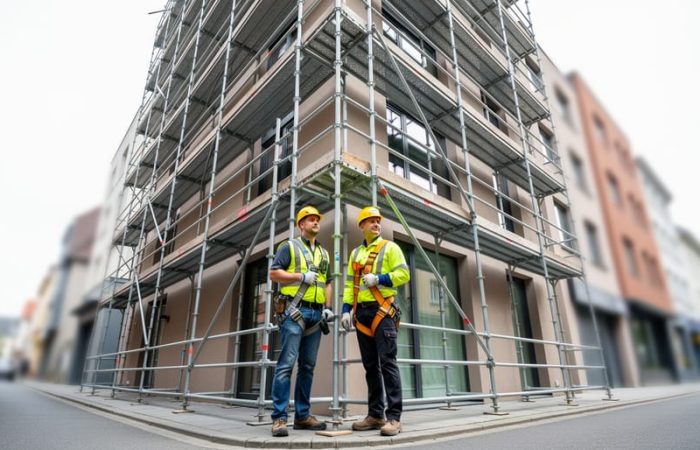
Scaffolding is a temporary structure built around buildings and construction sites to give workers safe, stable access to high or hard-to-reach areas. You’ve probably spotted these metal or wooden frameworks wrapped around homes, schools, or office towers in your neighborhood. They’re not just construction tools. They’re carefully engineered safety systems that protect workers while making repairs, renovations, or new builds possible.
For families and educators, understanding scaffolding basics matters for two reasons. First, knowing what makes a scaffold safe helps you spot potential hazards near playgrounds, …
What Is a DCS/DEC in Education? (The Quebec College Diploma Explained)
DCS/DEC stands for Diploma of College Studies (Diplôme d’études collégiales), a unique Quebec government-issued credential that marks completion of college-level education before students move on to university or enter the workforce. If you’re exploring Canadian education options for your child or trying to decode transcript language, understanding this diploma matters because Quebec’s education system follows a different path than the rest of North America. While students in other provinces and states go from high school straight to four-year universities, Quebec students complete a CEGEP program (Collège d’…
How Much Does Fire Damage Home Repair Cost? A Guide for Buyers in 2026
Fire damage home repair costs run between $3,098 and $51,243 in 2026, with most homeowners paying around $27,091 to restore a fire-damaged property. If you’re considering a fire damaged property for sale understanding these numbers helps you decide whether the investment makes financial sense for your family.
Key Takeaway: Fire restoration averages $27,091 nationally in 2026, with typical projects ranging from $3,098 to $51,243. Most contractors charge $4 to $7 per square foot for cleanup and repairs, though major …
How to Choose Online Coding Practice Tests for Kids: A Parent’s Buying Guide
The best online coding practice tests for kids combine adaptive assessments that match your child’s skill level with instant feedback and clear progress tracking, turning evaluation into an engaging learning experience rather than just a quiz. As a parent, you’re looking for more than just scores. You need a platform that helps identify where your child excels, spots knowledge gaps before they become frustrating, and keeps young coders motivated without adding pressure.
Practice tests serve a different purpose than coding courses or creative projects. While tutorials teach new concepts and open-ended challenges spark …
Teaching English in China Just Got Easier (Here’s What Changed in 2026)
Teaching English in China in 2026 requires either a bachelor’s degree plus a 120-hour TEFL certification or a valid teaching license, along with securing a Z visa through a sponsoring school. Most positions open for August hiring fill up by early spring, so planning ahead matters if you’re considering this opportunity.
For educators exploring new horizons or parents curious about international teaching paths, China continues to welcome qualified English teachers across major cities like Beijing, Shanghai, Shenzhen, and Chengdu. The application process has become more streamlined than in previous years, though the legal …
Why Field Trips Matter More Than Ever for Your Child’s Tech Education
Educational field trips bring coding and technology concepts to life by connecting classroom learning with hands-on experiences in the real world. At ESDNL, these excursions aren’t just fun breaks from routine. They’re carefully designed opportunities for children to see how the digital skills they’re developing actually work in museums, nature centers, local businesses, and community spaces.
Think of field trips as the bridge between screen time and real time. When kids learn about sensors and data collection in class, visiting a weather station shows them these concepts in action. When they explore animation …