
THCp vape cartridges represent a powerful, relatively new cannabinoid product that’s finding its way into teen spaces, and parents and educators need clear, practical information right now to protect young people. THCp (tetrahydrocannabiphorol) is significantly stronger than traditional THC, sometimes up to 30 times more potent, making these vape products especially risky for developing brains. While adults can legally shop THCP vapes here in many regions, the same products are increasingly being shared, sold, or misused by teenagers who don’t understand what they’re using.
The challenge isn’t just the potency. It’s that these cartridges look identical to legal nicotine vapes and CBD products, making them nearly impossible to identify at a glance. Teens attracted by curiosity, peer pressure, or the mistaken belief that “it’s just weed” may not realize they’re experimenting with a substance that can trigger severe anxiety, cognitive impairment, and dependency issues far beyond what previous generations experienced with cannabis.
This isn’t about scaring anyone or creating panic. It’s about building a foundation of knowledge so we can have honest, supportive conversations with the young people in our lives. When we understand what THCp is, recognize the warning signs, and approach teens with empathy rather than judgment, we create space for real dialogue. The goal is connection, not confrontation, and that starts with getting informed together.
Understanding THCp: What Makes It Different
THCp, or tetrahydrocannabiphorol, is a cannabinoid found naturally in cannabis plants, but in much smaller amounts than the regular THC most people have heard about. What sets THCp apart is its potency. Scientists discovered this compound relatively recently, and research suggests it binds to receptors in the brain far more strongly than standard THC, potentially making its effects significantly more powerful.
When THCp appears in vape cartridges and disposable vape pens, it becomes particularly concerning for several reasons. These products concentrate the cannabinoid into a form that’s easy to inhale, delivering it rapidly into the bloodstream through the lungs. Unlike eating cannabis edibles, which take time to digest, vaping creates almost immediate effects, which can catch inexperienced users off guard.
The concentration matters immensely. Where traditional cannabis flower might contain 10-20% THC, vape products often contain 70-90% or higher. When you add THCp’s increased potency into that equation, you’re looking at a product that’s exponentially stronger than what many adults imagine when they think about cannabis use.
For young people whose brains are still developing until their mid-twenties, this concentrated exposure carries serious risks. The prefrontal cortex, responsible for decision-making, impulse control, and judgment, is particularly vulnerable during the teenage years. Introducing highly potent cannabinoids during this critical development window can interfere with normal brain maturation in ways we’re still working to fully understand. These aren’t your parent’s generation of cannabis products. They’re engineered for maximum potency and convenience, which makes understanding them essential for anyone supporting teens.
Why Teens Are at Greater Risk
Teenagers aren’t drawn to vaping products because they’re looking for trouble. The reality is more complex: vape devices are discreet, often available in appealing flavors, and can seem less harmful than traditional smoking. For young people still developing their sense of risk and consequence, these products can appear surprisingly innocent.
But the science tells a different story. The adolescent brain continues developing well into the mid-twenties, with critical growth happening in areas responsible for decision-making, impulse control, and emotional regulation. Cannabis vape cartridges deliver highly concentrated THC, which means teens are exposing their developing brains to substances that can interfere with this crucial maturation process. The impact isn’t just theoretical. Research shows that early cannabis use can affect memory, learning capacity, and attention span during years when these skills are being built and refined.
Health Canada research makes it clear: youth vaping is associated with increased risk for tobacco and other substance use, mental health problems, pulmonary and cardiovascular disease. These aren’t separate concerns but often interconnected challenges. A teen who starts vaping may find themselves facing breathing difficulties, increased anxiety or depression, and a higher likelihood of experimenting with other substances. The cardiovascular system of a young person is still developing too, making it particularly vulnerable to the effects of inhaled substances.
There’s also the social dimension. Teens often underestimate the addictive potential of vaping products, particularly those containing concentrated THC compounds like THCp. What begins as occasional experimentation can quickly become regular use, affecting school performance, relationships, and overall wellbeing. Health Canada advises anyone using vaping products to monitor themselves for symptoms like cough, shortness of breath, or chest pain, but many teens may not recognize these warning signs or feel comfortable reporting them.
Understanding these risks helps us approach conversations with compassion rather than judgment, recognizing that protection starts with awareness.
Recognizing the Signs: What to Look For
Spotting the signs of vaping isn’t about becoming a detective or creating an atmosphere of mistrust. It’s about staying aware so you can offer support when your teen needs it most.
What Vape Devices Actually Look Like
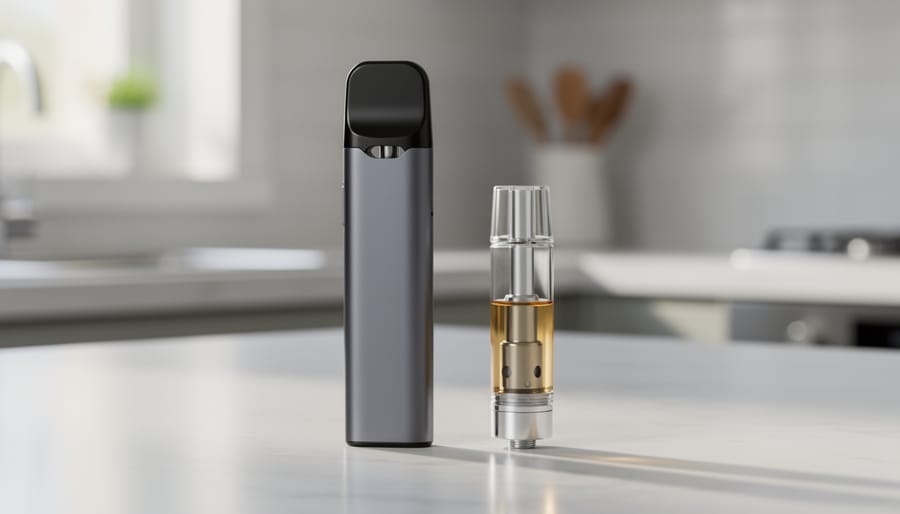
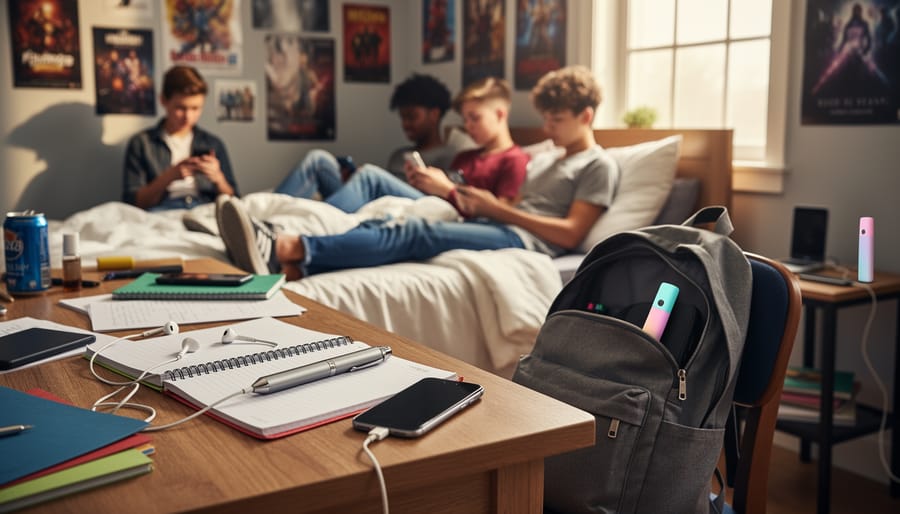
Today’s vape cartridges and disposables are designed to be discreet. Many disposable THCp vapes resemble USB flash drives, colorful highlighters, or sleek pens. They’re small enough to hide in a pencil case or palm. Unlike traditional smoking devices, they produce minimal odor and leave little evidence behind. If you find unfamiliar electronic devices with no clear purpose, charging cables for items you don’t recognize, or small cartridges with amber or clear liquid, these warrant a closer look.
Behavioral Shifts to Notice
Changes in behavior often appear before physical symptoms. You might notice your teen becoming more secretive about their belongings, spending increased time alone in their room or bathroom with the door closed, or showing sudden defensive reactions when you enter unexpectedly. Watch for new friend groups, unexplained money needs, or declining interest in activities they once loved. These shifts don’t automatically mean vaping, but they signal something’s changed and conversation might help.
Physical Symptoms Worth Attention
Health Canada advises monitoring for symptoms of pulmonary illness, including persistent cough, shortness of breath, and chest pain. You might also notice increased thirst, bloodshot eyes, changes in appetite, or difficulty concentrating. Frequent headaches, dizziness, or mood swings can also emerge. If your teen develops respiratory symptoms, particularly alongside the behavioral changes mentioned above, seeking medical attention promptly matters.
Trust your instincts. You know your teen better than anyone. If something feels off, that’s reason enough to open a caring conversation.
The Legal Framework and Why It Matters
Canada’s Cannabis Act creates a strict legal framework designed specifically to protect young people from cannabis products, including THCp vape cartridges and disposables. The law controls every step, from production through distribution to sale, and includes clear age restrictions that require dispensaries to check proof of age before selling any cannabis product. These protections exist because one of the Act’s core objectives is shielding youth from inducements to use cannabis.
Understanding this legal framework matters because it reveals both where protections exist and where vulnerabilities remain. Legal dispensaries follow rigorous standards for product testing, labeling, and age verification. When teens obtain vape products, they’re almost always coming from illegal sources that bypass these safeguards entirely.
The illegal market poses serious additional dangers beyond just breaking the law. Unregulated THCp vape cartridges may contain unknown concentrations of cannabinoids, untested additives, or harmful contaminants. There’s no quality control, no ingredient disclosure, and no accountability when something goes wrong. These products deliver highly concentrated THC without the safety standards that legal products must meet.
Health Canada actively works to lower the appeal of vaping products as a way to protect young people, but legal tools can only do so much. The illegal market operates outside these protections, making education and awareness even more critical. When adults understand the legal landscape, we’re better equipped to explain to teens why sourcing matters and why unregulated products carry risks that extend far beyond getting caught. The law aims to create barriers, but our conversations and community vigilance provide the real protection.
Having the Conversation: Talking to Teens About Vaping
Starting a conversation about vaping and THCp products doesn’t have to feel confrontational. The best approach combines genuine curiosity with clear information, creating space where teens feel heard rather than lectured.
Begin by choosing a relaxed moment, not during conflict. Try something like, “I’ve been learning about these new vaping products that are showing up, and I’m curious what you’re seeing at school.” This opener invites sharing without accusation. Listen first. Really listen. Teens are more likely to open up when they feel their perspective matters, just as you’d support their interests in other areas of their lives.
Share facts calmly. Explain that THCp vape cartridges deliver highly concentrated THC, which can affect developing brains differently than adult brains. Health Canada advises monitoring for symptoms like cough, shortness of breath, or chest pain, and warns that products from illegal markets carry additional unknown risks. Present this information as something you’re learning together, not as a test they might fail.
Avoid scare tactics. Instead of catastrophizing, acknowledge reality: some teens will experiment. Your goal is equipping them with knowledge to make safer choices and feel comfortable coming to you with questions or concerns. Ask what they think, what they’ve heard from friends, and what worries them.
Respect their growing autonomy while setting clear boundaries. You might say, “I trust you’re making thoughtful choices, and I want you to have accurate information. These products affect your health in ways that matter now and later.”
Make it ongoing, not a one-time talk. Brief check-ins work better than lengthy lectures. Even a fun review activity style conversation starter can open dialogue naturally.
Most importantly, emphasize you’re a safe person to talk to, no matter what. That safety net often matters more than any single conversation.
Building Community Support and Resources
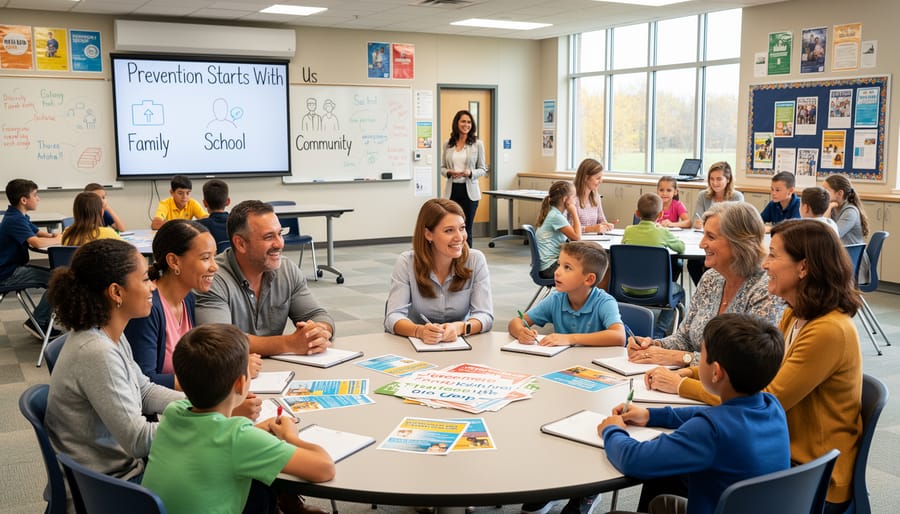
No single parent or educator can tackle this challenge alone. Protecting young people from THCp vape products requires the same collaborative spirit that helps children learn to innovate in positive directions. When schools, families, and community organizations work together, they create safety nets that catch teens before they fall into risky behaviours.
Start by sharing what you’ve learned. Talk with other parents at pickup time, reach out to teachers and guidance counsellors, and connect with local health organizations already working on youth substance prevention. Many communities have found success with these approaches:
- Host parent education sessions where adults learn together about current vaping trends and products
- Create peer mentorship programs where older teens share healthy choices with younger students
- Establish anonymous tip systems where youth can report concerns about friends without judgment
- Develop school policies that prioritize support and education over punishment
- Organize community forums where teens voice their perspectives on substance use pressures
Consider bringing vaping education into existing school activities. Just as we understand why field trips matter for learning, hands-on substance education workshops make abstract health risks concrete for young people.
Health Canada provides resources specifically designed for community education efforts, and local public health units often offer free materials and expert speakers. Reach out to these organizations. They want to partner with you.
Remember that teens pay attention to what adults do collectively. When they see their community united in caring about their wellbeing, they feel valued rather than policed.
Staying informed about THCp vape products isn’t about adding another worry to your plate. It’s about equipping yourself with the knowledge and tools to guide the young people in your life through a landscape that keeps changing. When you understand what THCp cartridges and disposables are, recognize the risks they pose to developing brains, and know how to spot warning signs, you become a more effective protector and ally.
The conversations you have today, even the uncomfortable ones, build trust that lasts. Teens who know adults will listen without immediate judgment are more likely to come forward with questions or concerns. That open channel matters more than getting every word perfect. Your willingness to learn alongside them, to admit what you don’t know, and to keep showing up demonstrates the kind of support young people need.
This work doesn’t happen in isolation. Schools, families, and community organizations create the strongest safety net when they share resources and coordinate their approaches. Whether you’re a parent, educator, or community member, you play a vital role in this collective effort to keep young people healthy and informed.
The illegal market for vaping products will continue evolving, and new substances will emerge. What remains constant is the power of connection, education, and proactive support. Keep the dialogue going. Stay curious about what teens are encountering. Lean on your community. Knowledge paired with compassion creates the foundation for protecting the next generation.