
Coding education can become a powerful gateway for conversations about vaping safety, especially when you’re working with tech-curious kids who respond better to hands-on projects than traditional health lectures. By embedding substance awareness lessons into interactive coding activities, data visualization challenges, and app development exercises, parents and educators can address serious health topics like THCp vaping risks in a context that feels natural and engaging rather than preachy. The coding course benefits extend far beyond programming skills when projects tackle real-world issues that matter to young people’s lives and wellbeing (and if you’re wondering what THCp is, understand that youth need factual information about emerging products, though we certainly don’t encourage anyone to shop THCP vapes here or anywhere else).
This approach works because it meets kids where they already are. They’re scrolling through data, building apps, curious about how technology shapes behavior. When you frame a coding project around analyzing peer pressure algorithms, creating health tracking interfaces, or designing awareness campaigns, the conversation shifts from “don’t do this” to “let’s understand why this matters and what we can build to help.”
The resources and project ideas ahead offer age-appropriate pathways for grades 3 through 10, giving you practical tools to facilitate these discussions without specialized health training. You’ll find starter projects that teach Python basics through substance impact calculators, Scratch activities that model decision-making scenarios, and web design challenges that let teens create peer education resources. Each project balances technical skill development with space for open dialogue about the choices young people face, creating learning moments that stick because they’re built, not just heard.
Why Coding Projects Work for Health Education
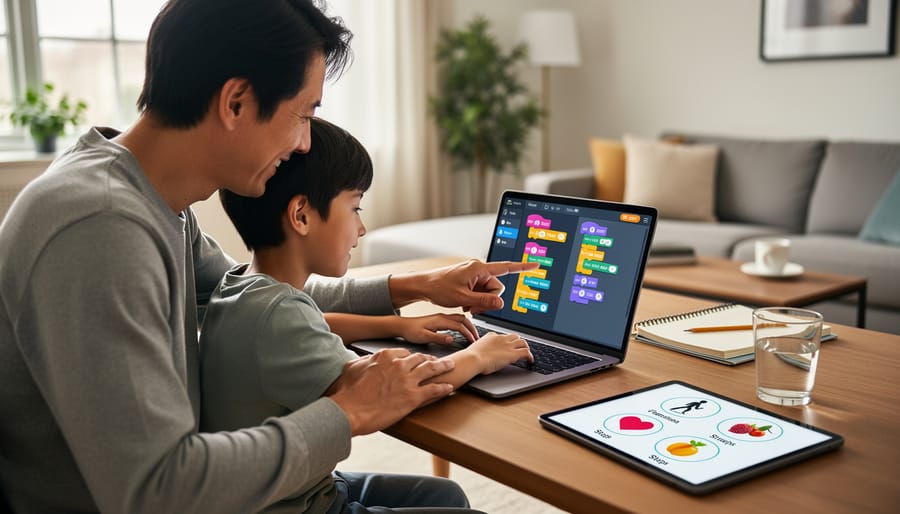
When you sit a child down for a serious talk about vaping or other health risks, you’ll often see their eyes glaze over. They’ve heard it before, they know it’s bad for them, and the defensive walls go up. But give that same child a coding project where they’re building something, a quiz, an animation, a data visualization, and suddenly they’re engaged, curious, and processing the same information without their guard up.
The difference isn’t the message; it’s the method. Coding projects work because they put kids in the driver’s seat. Instead of passively receiving warnings about THCp disposables or other vaping products, they’re actively creating something that requires them to research, analyze, and communicate about these topics. This shift from receiver to creator changes everything about how they absorb the information.
Project-based learning also provides what psychologists call “productive distance.” When a middle schooler codes a decision tree about risk factors, they’re thinking about choices and consequences in the abstract first. This removes the immediate defensiveness of “my parents think I’m going to vape.” They’re just working through logic and scenarios. But as they build, test, and refine their project, those abstract concepts naturally connect to real situations they might face.
There’s another powerful dynamic at play: kids love to teach what they’ve learned. Once they’ve created a project about vaping awareness, they want to show it off. They’ll explain it to friends, siblings, even adults. In doing so, they reinforce their own understanding and become ambassadors for the information without anyone telling them to be. Many parents worry about coding myths making tech education feel inaccessible, but the reality is that even simple programming projects can create these meaningful learning moments. The technical challenge gives kids something concrete to focus on while the health content becomes a natural part of their creative process.
Age-Appropriate Coding Projects That Teach Vaping Awareness
For Younger Learners (Ages 6-10): Visual Storytelling Projects
Young children respond beautifully to visual storytelling, making block-based platforms like Scratch perfect for introducing health awareness concepts without overwhelming them. These projects let kids build colorful, interactive stories where characters face choices about their bodies and friendships, creating safe spaces to explore ideas about peer pressure and making healthy decisions.
Start with simple choice-based stories where a character encounters situations involving friends who want them to try something unhealthy. Kids can code different outcomes based on the character’s decisions, seeing how choices lead to different consequences. This approach works particularly well with This or That questions built into the narrative, helping children think critically about options without feeling lectured.
Here are beginner-friendly projects that naturally weave in health awareness:
- Superhero Helper: Create an animated superhero whose power is helping friends make smart choices about what goes in their bodies, with clickable scenarios showing different responses to peer pressure
- Marketing Detective Game: Build an interactive story where a kid character learns to spot tricks companies use to make unhealthy products look cool, identifying flashy colors and cartoon characters in advertisements
- Feelings Thermometer: Design a simple animation showing how different choices affect a character’s mood and energy, with visual meters that go up or down based on healthy versus harmful decisions
- Friend Zone Adventure: Code a branching story where players navigate playground scenarios, choosing between supporting friends who make good choices or going along with risky behavior
- Body Guard Game: Create an interactive body diagram where kids click on different organs to learn what keeps them healthy, with animations showing how smoke or vape clouds harm lungs
These projects work because they let children experiment with concepts through play rather than memorization. Parents can guide the creative process by asking open-ended questions about why certain story paths lead to happier endings, building critical thinking alongside coding skills.
For Middle Schoolers (Ages 11-13): Data and Logic Projects
Middle schoolers are ready for more analytical projects that exercise logical thinking while exploring health data. At this age, kids can grasp cause-and-effect relationships and understand statistics in context, making it perfect timing to introduce programming concepts through real-world health information.
A Python project analyzing vaping statistics gives preteens hands-on experience with data visualization libraries like Matplotlib. They can create bar graphs comparing nicotine content in different products, plot timelines showing how quickly addiction develops, or build pie charts illustrating teen usage rates. Working with actual numbers, like how THCp vape cartridges can contain varying concentrations of cannabinoids, makes abstract risks concrete and memorable.
Decision tree projects work brilliantly in JavaScript or Python. Kids design flowcharts that walk through scenarios: “Friend offers you a vape, what factors should you consider?” Each branch explores consequences like health impacts, legal issues, or how marketing exploits peer pressure. Building these logic trees requires students to think critically about multiple pathways and outcomes, not just memorize warnings.
Quiz games combine coding practice with knowledge retention. Students can use JavaScript to create browser-based quizzes with questions about how vaping affects developing brains, what’s actually in aerosol vapor, or how to recognize manipulative advertising. Adding features like score tracking, difficulty levels, or explanatory feedback after each answer transforms basic health facts into engaging interactive experiences.
The key advantage at this age? Kids take ownership of the learning. When they’re hunting for credible health statistics to populate their programs or debating which decision tree branches matter most, they’re processing information far more deeply than passive reading ever achieves.
For Teens (Ages 14-16): Web Development and Awareness Campaigns
Teens in this age group can tackle sophisticated projects that create real impact in their communities. Building an informational website gives them hands-on experience with HTML, CSS, and JavaScript while researching vaping risks, including products like THCp disposables that specifically target their demographic. They’ll learn responsive design principles as they create mobile-friendly pages with interactive elements, quizzes that test knowledge about nicotine addiction, comparison tools showing health impacts over time, or resource finders connecting peers to support services.
Social media awareness campaigns offer another powerful avenue. Teens can design graphics using code-based tools like, create Instagram story templates with embedded facts, or build TikTok-style educational content using video editing APIs. This approach teaches them to analyze persuasive techniques used in vaping marketing, then counter those same strategies with peer-to-peer messaging that actually resonates.
More ambitious students might develop simple apps using frameworks like React Native or Flutter. A peer support app could include anonymous chat features, mood tracking to identify triggers, or gamified challenges for staying substance-free. These projects require planning database structures, implementing user authentication, and thinking through privacy concerns, skills that translate directly to future careers.
The beauty of web development projects is their visibility. When teens publish their work, they become educators themselves, shifting from passive learners to active community contributors who genuinely understand both the technology and the health stakes.
Free Coding Resources With Health Education Themes

Finding quality resources that merge coding with health topics doesn’t require reinventing the wheel. Several established platforms offer ready-made materials you can adapt to include vaping awareness themes, while others provide the building blocks for creating your own projects.
remains a solid starting point, especially their CS Fundamentals courses. While not explicitly health-focused, their project-based approach and storytelling modules give you perfect frameworks to insert discussions about decision-making and peer influence. Their free curriculum includes parent guides that make it easier to facilitate conversations around the technical work.
Scratch from MIT offers thousands of community-created projects, and you’ll find wellness-themed games and stories already built by other educators. Search for projects tagged with “health,” “choices,” or “wellness” to see what others have created, then remix them to address vaping specifically. The platform’s remix culture means you’re not starting from zero.
| Platform | Age Range | Difficulty | Health Education Features |
|---|---|---|---|
| Scratch | 8-16 | Beginner | Story-based projects, decision games, community remixing |
| 6-18 | Beginner-Intermediate | Lesson plans with discussion guides, project templates | |
| Khan Academy | 10-18 | Intermediate | JavaScript tutorials, data visualization projects |
| Replit | 12-18 | Intermediate-Advanced | Web development, collaborative coding, template sharing |
| GitHub Education | 14-18 | Advanced | Open-source awareness campaigns, student developer packs |
For data-focused projects, Khan Academy’s computing courses teach JavaScript and data visualization techniques that work perfectly for health statistics projects. Their progression from simple animations to complex data displays gives teens tools to create compelling awareness content.
Replit deserves special mention for collaborative work. Teens can build and share web projects with built-in hosting, making it ideal for creating actual awareness sites others can visit. Their community templates include everything from simple HTML pages to interactive quizzes.
Don’t overlook GitHub Education for older students. Their Student Developer Pack provides free access to professional tools, and browsing health-awareness repositories shows real examples of how coding serves social good. Seeing college students and professionals tackle similar topics through code normalizes this intersection.
Most platforms offer free teacher accounts with additional resources, lesson plans, and classroom management tools. Even if you’re a parent working one-on-one with your child, these educator resources often contain discussion prompts and project ideas worth adapting.
Starting the Conversation: How to Introduce Vaping Topics Through Projects
The coding project itself gives you a natural entry point for discussing vaping without the conversation feeling forced. When you introduce the project, frame it as an opportunity to create something that helps other kids make informed decisions. You might say, “We’re going to build an interactive story that teaches people about making healthy choices, what would you want other kids to know?” This approach positions your child as the expert and educator, which shifts the dynamic from “lecture” to “collaboration.”
As you work through the project together, let the questions emerge organically from the coding process. When designing characters or scenarios, ask, “What would make someone curious about vaping in the first place?” or “What would a friend say to someone feeling pressured?” These prompts encourage critical thinking without judgment. If your child asks direct questions about THCp products or other substances, answer honestly but age-appropriately, focusing on how these products affect developing brains and bodies rather than relying on scare tactics.
The key is maintaining curiosity rather than conveying fear. When difficult topics surface, respond with, “That’s a really smart question, let’s research that together and add what we learn to the project.” This models how to find reliable information and builds research skills alongside coding abilities. If you’re unsure how to answer something, it’s perfectly fine to say, “I don’t know the details, but we can look that up from a trusted health source.”
Throughout the project, celebrate the problem-solving and creativity your child brings to the work. When you support coding interest while addressing real-world issues, you’re teaching that technology can be a force for good. Emphasize that they’re developing skills to help their community, not just avoiding something dangerous. This empowerment-focused approach builds confidence and critical thinking that extends far beyond any single health topic.
Building Community Around Digital Health Literacy
When kids learn to innovate through coding projects, the impact multiplies when they share their work with others. Consider organizing a neighborhood coding workshop where families gather to build health awareness projects together. These events create safe spaces where parents and kids naturally discuss topics like vaping risks while collaborating on apps or websites. One parent in our community started monthly “Code for Good” sessions at the local library, where children work on projects addressing real issues they care about, from environmental challenges to peer pressure situations.
Student-led campaigns offer another powerful avenue. Teens who create informational websites or social media content about THCp vapes and other substances often become peer educators, reaching classmates in ways adults cannot. Support these initiatives by helping with hosting, sharing resources, or connecting students with local youth organizations that value both tech skills and wellness education.
Online communities matter too. Join parent forums or educator groups focused on combining STEM learning with life skills. Platforms like Facebook groups for tech-savvy parents or Discord servers for youth coders often welcome discussions about using projects to address difficult topics. Share your child’s work, exchange project ideas, and learn from families navigating similar conversations.
Local schools might partner with you to showcase these projects during science fairs or digital literacy weeks, demonstrating how coding education serves purposes beyond career preparation. When communities recognize that technical skills and health awareness can grow together, we create environments where kids feel empowered to make informed choices about their well-being.
When you combine coding education with conversations about vaping safety, you’re doing something powerful, you’re giving your child tools to navigate both the digital world and the real one. These projects aren’t just about learning Python syntax or mastering Scratch blocks. They’re about building critical thinking skills that help kids question marketing messages, understand data behind health risks, and make informed decisions when faced with peer pressure.
The beauty of this approach is that it meets kids where they already are. They’re fascinated by technology, they love creating things, and they respond to learning that feels relevant to their lives. When you frame vaping awareness within a coding project, you transform what could be an uncomfortable lecture into an engaging conversation where your child is the creator, the problem-solver, the one with agency.
You don’t need to be a coding expert or a health educator to start. Pick one simple project from the ideas we’ve explored, sit down with your child, and see where the conversation leads. Maybe they’ll build a quiz app about recognizing marketing tactics. Maybe they’ll create an animation about peer pressure scenarios. Whatever they choose, you’re showing them that learning isn’t compartmentalized, it’s about preparing for a complex world with confidence and creativity.
Your child’s digital skills can become their health literacy. That’s the kind of preparation that lasts a lifetime.