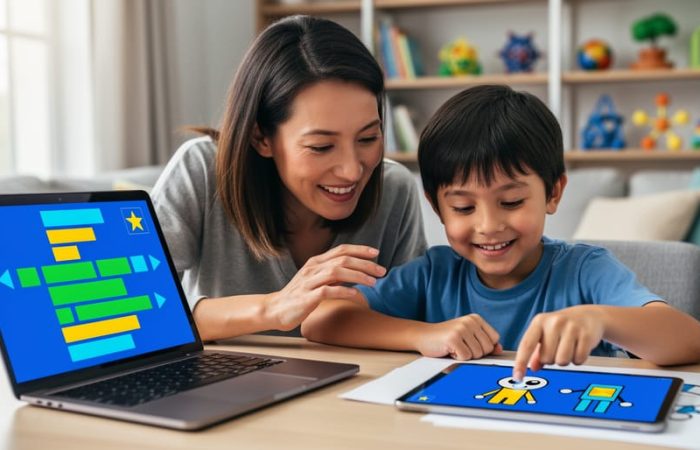
You can nurture your child’s coding interest without writing a single line of code yourself. The key is creating an environment where curiosity thrives, providing the right resources at the right time, and connecting your child with a community that celebrates their progress. What matters most isn’t your technical expertise but your willingness to support their journey, ask questions alongside them, and help them find answers when they get stuck.
If you’ve ever felt intimidated when your child asks about Python or JavaScript…
What Is Rust Programming (and Why Are Kids Learning It)?
Rust is a programming language designed to help anyone build software that’s both reliable and fast. Think of it as a modern tool that catches mistakes before they become problems, making it easier for developers to write code that runs safely on everything from web browsers to operating systems. For parents and educators exploring coding options for young learners, Rust represents an exciting frontier in technology education where precision meets creativity.
Why does Rust matter for families interested in digital learning? Unlike many programming languages that force developers to choose between speed and safety, Rust …
How to Teach Place Value: A Step-by-Step Guide for Parents and Educators
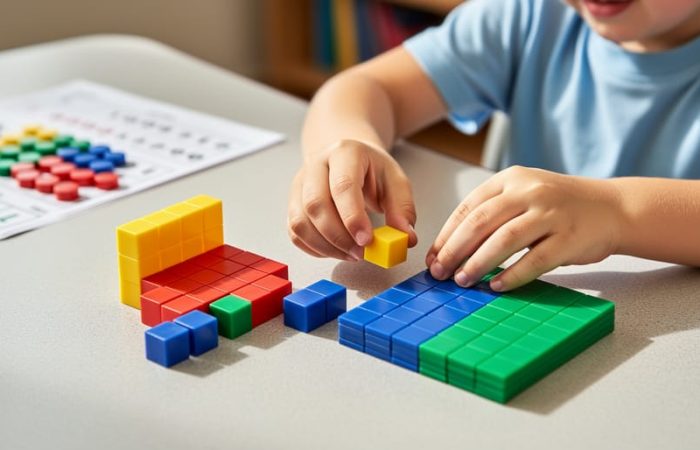
Teaching place value effectively means helping students understand that a digit’s position determines its value, and the best way to do that is through a hands-on, gradual progression from concrete manipulatives to abstract representation. Start weeks before your formal lessons by practicing counting by tens past 100, then move through a structured sequence using base-ten blocks, place value charts, and finally written numerals. This foundational skill typically begins in kindergarten and first grade, though it’s deepened throughout elementary school, and getting it right matters because place value is the cornerstone of all …